How Plaquenil May Work

I struggled for 36 years in Rheumatology to figure out how Plaquenil works in our diseases, and never did.  But I think I might understand, at least in part, how it’s working in its new role as our savior from Mr. coronavirus.

It’s just a matter of simple chemistry.  OHC (hydroxychloroquine: Plaquenil) accumulates in acidic intracellular organelles, including the Golgi where coronavirus replicate, and does its diprotic base thing to raise the ambient pH, thus dousing our unwelcome viral intruders with Drano.

from a 16 year old text:

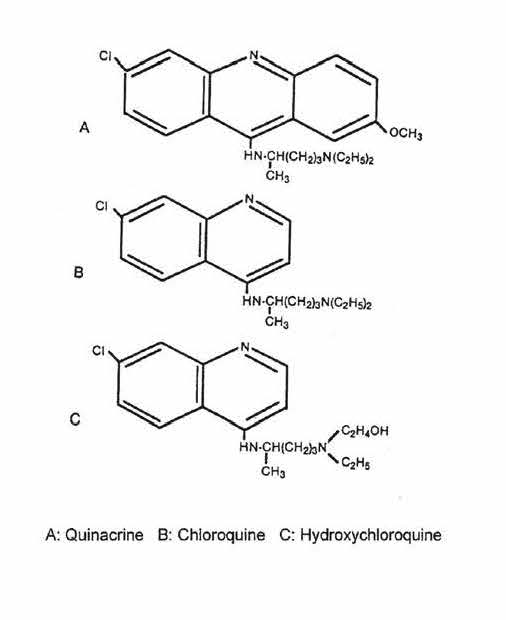
HCQ and chloroquine are aromatic two-ringed 4-amino quinolone compounds; quinacrine has an additional aromatic ring with a methoxy group (Fig. 42.5 ). All three compounds are weak diprotic bases, a property that facilitates intracellular accumulation of the compounds in acidic organelles. At neutral pH of serum and interstitial fluids, antimalarials are uncharged and pass freely across cell membranes (295 ). Within the mildly acidic milieu of intracellular vesicles, the compounds become protonated and no longer freely diffuse across organelle membranes. The resulting partition gradient for uncharged drug may lead to over 100-fold excess concentration of drug within acidic vesicles (296 ). Increases in the pH of intracellular vesicles within malarial parasites resulting in impaired enzymatic breakdown of hemoglobin nutrients and impaired assembly and function of malarial proteins constitute proposed antiparasitic mechanisms of antimalarial efficacy.

From: Chatham WW.  Traditional Disease-Modifying Antirheumatic Drugs: Gold Compounds D-Penicillamine Sulfasalazine and Antimalarials, in Arthritis and Allied Conditions: A Textbook of Rheumatology, WJ Koopman and LW Moreland, Editors.  Fifteenth edition.  2004, Lippincott Williams & Wilkins: Baltimore.  pp 280-309

The Chinese COVID-19 Guidelines March 4th

The Chinese Health and Public Health Ministry Guideline on Novel Coronavirus Disease (COVID-19) Diagnosis and Treatment (revision #6) was released in Beijing March 4th.  The guideline derives from experiences in treating over 80,000 Chinese patients.  The document has been translated from Mandarin and stealthily but broadly circulated for about a week. Dr. Ainlin Xu, an allergist in private practice in Silicon Valley who grew up in Shanghai, sent it to one of my colleagues – who emailed it to the rest of the Division on Saturday – and asked that anyone receiving it make the document available to  “as many health institutions/hospitals/doctors as you can reach”.   If you Google it, you won’t go anywhere near the actual document.  But I’m pasting the whole thing in right here.  Much of it is stuff we already know, but there are some pretty interesting bits, particularly as regards treatment.  I’ll be commenting on that in my next post.  So here ya go, all 9 pages of it:

The 3/4/2020  Chinese Health and Public Health Ministry Guideline on Novel Coronavirus Disease (COVID-19) Diagnosis and Treatment (Revision #6)

(I only summarized the clinically relevant information for US Healthcare System/Hospitals/Clinics)

  1. Characteristics of Pathogen

The Novel Coronavirus (2019-nCoV) belongs to the family of beta Coronavirus family.  It has significant genetic differences from SARSr-CoV, and MERSr-CoV.  Current research indicates that it has 85% genetic similarity with bat-SL-CoVZ45, isolated from bats.  When cultured outside the human body, 2019-nCoV can be detected in human respiratory epithelial cell within 96 hours, and after 6 days in Vero E6 and Huh-7 cells.

The virus is sensitive to UV light and heat.  Heat for 56C for 30min, Diethyl Ether, 75% Ethanol, disinfectant with chloride, H2O2, and other chlorinated disinfectant can effectively deactivate virus.

  • Characteristic of Infectibility
  1. Origin of Infection

Currently the main source of Infections are patients infected with the virus.  Patients without any clinical symptoms can also infect others.

  • Route of Transmission

Droplet and close contact are the main route of transmission.  Within enclosed environment, long time exposure in high viral load situation, transmission through aerosol is possible.  The Novel Coronavirus can be isolated in feces and urine.  It can be transmitted through contact or aerosolized droplets through the infected patient’s feces or urine.

  • Susceptible population

The general population (a supplemental guideline from the front line hospitals says most patients infected are adults 30 years or older)

  • Clinical Characteristics
  1. Clinical Presentation

Incubation Period is 1-14 days, most 3-7 days. 

Fever, dry cough, fatigue are the primary symptoms.  Some patients have nasal congestion, rhinorrhea, sore throat, muscle pain and diarrhea.  Severe patients usually develop difficulty breathing and hypoxia 1 week after onset of symptoms.  Critical patients may develop rapid progression into ARDS, sepsis, uncorrectable metabolic abnormality, DIC, and multi-organ failure.  Notably, severe and critical patients can have low grade fever, or no fever at all.

Some children and newborns present with atypical symptoms, such as vomiting, diarrhea, or just malaise or shortness of breath.  Children generally have milder symptoms. 

Mild patients present with low grade fever, mild fatigue, etc., without any signs of pneumonia.

From current cases, majority of patients can recover well.  Minority of patients become critical.  Elderly patients and patients with baseline diseases have poorer recovery.  Pregnant patients with COVID-19 have similar clinical courses as their non-pregnant peers.

(a supplemental guideline from the frontline hospitals says that it appears male have more severe diseases than female, and have a higher mortality rate)

  • Labs

In early stages of the disease, peripheral WBC number decreases, so is absolute lymphocytes.  (A supplemental guideline from the frontline hospitals also says that absolute lymphocyte/absolute neutrophil ratio seems to have some value in determining the severity of a patient’s disease, and help to indicate trend in a patient’s condition.  The lower the ratio, the more severe the patient is.) 

Some patients have elevated liver enzymes, LDH, and Myoglobulin; some have elevated Troponin.  Most patients have elevated CRP and ESR.  Severe patients have elevated D-Dimer, suppressed peripheral lymphocytes.  Severe and critical patients showed signs of elevated inflammatory mediators (cytokines, such as IL-6). 

Virus can be detected through RC-PCR in patient’s nasopharyngeal swab, sputum, other lower airway secretions, blood, and feces.  Lower airway specimen provides a more accurate yield.  Recommend sending specimen for testing as soon as possible.

IgM to the Novel Coronavirus becomes positive 3-5 days after onset of symptoms.  During the recovery period, IgG to the Novel Coronavirus increase by 4 folds or higher than in the acute phase.

  • Chest Radiograph

Early stages usually present with small infiltrates and interstitial changes, more apparent in the peripheral of the lungs.  Later on, radiographic evidence can progress to bilateral ground glass appearance, and diffuse infiltrates.  Severe patients can develop significant consolidation in the lungs.  (A supplemental guideline from frontline hospitals indicated that some critical patients develop “white lungs”).  Pleural effusion is unusual.

  • Diagnostic Criteria:
  1. Suspected cases

Clinical suspicion can be made by the combination of contact history with clinical presentation.

  1.  close contact with known infected individual within the past 14 days, traveled from or live in endemic areas within past 14 days, and patient is a member of a cluster appearance of infected individuals (2 or more cases within a small group such as family, office, classroom) within 14 days.
    1. Clinical presentation of fever and/or respiratory symptoms; or radiographic evidence that is consistent with 3(c); or in early stages of the disease with lower peripheral leukocytes and lymphocytes.

If a patient meets 1 criteria in i), and 2 criteria in ii); or all three criteria in ii), the patient is a highly suspected case.

  • Confirmed cases

If a suspected case meets one of the criteria of 1) RT-PCR positive for 2019-nCoV, or 2) genetic sequence highly consistent with 2019-nCoV, 3) Positive IgM or IgG to the Novel Coronavirus (2019-nCoV).

  • Clinical Types
  1. Mild:

Mild clinical disease, no evidence of pneumonia on radiography.

  • Regular (Moderate):

Fever, respiratory symptoms, and pneumonia on radiography.

  • Severe:

Any one of the three below in an adult:

  1. Tachypnea, RR>30
    1. SatO2 <=93% on RA
    1. PaO2/FiO2 <=300mHg (adjust for altitude)
    1. Chest radiography (XR or CT) showed >50% progression within 24-48 hours.

Any one of the 5 in children:

  • Shortness of breath (<2mo, RR>=60/min; 2-12mo, RR>=50/min; 1-5yo, RR>=40/min; >5yo, RR>=30/min), without the effect of fever or agitation
    • SatO2<=92%
    • Breathing with accessory muscles, cyanosis, episodic apnea
    • Excessive drowsiness, convulsion
    • Refuse or difficulty feeding, dehydration
  • Critical:

Any of the three below:

  1. Respiratory failure, requiring mechanical ventilation
    1. Syncope
    1. Other end organ damage requiring ICU care.
  • Warning Signs of a Patient may Progress into Severe or Critical Types:
  1. Adults:
  2. Progressive decrease in peripheral lymphocytes
  3. Progressive increase in IL-6, CRP
  4. Progressive increase in LDH
  • Children:
  • Increase in RR
  • Malaise, sleepiness
  • Progressive increase in LDH
  • Rapid progression in radiographic findings of bilateral or multilobar infiltrates, pleural effusion, or progressive worsening of symptoms in a short period of time
  • <=3mo of age, chronic baseline diseases, primary or secondary immune deficiency

Need to rule other respiratory or systemic diseases that could mimic COVID19 (I am omitting that part.  We all know)

(….  Other things about reporting, I am skipping here because it’s only relevant to the Chinese CDC)

8.   Treatment

  1. Treatment locations:  Suspected and confirmed cases should be treated in special hospitals which can carry out effective isolation and protection.  Suspected cases should be in single isolation.  Confirmed cases can be treated in shared rooms (with other confirmed cases).  Critical cases should be treated in ICU. 
  • Treatment for Mild to Moderate diseases:
  • Rest, supportive care, supply sufficient nutrition and fluid.  Pay close attention to electrolyte balance.  Close monitoring of vitals and SatO2.
  • Monitor routine blood and urine labs, including CBC and diff, liver function, kidney function, CRP, CPK, coagulation, PaO2, and chest radiography.  In indicated patients, can monitor inflammatory cytokines (such as IL-6).
  • Ensure sufficient oxygen supply, with NC, face mask, or high flow O2 treatment.  Can consider Hydrogen/Oxygen mixture (H/O2: 66.6%/33.3%).
  • Some recommended anti-viral treatments to try (there is currently no proven anti-viral for this virus.  The most promising one according to WHO officials is Remdisivir from Gilead):
    • Alfa-interferon (5,000,000 U or similar dose, add 2ml sterile water) nebulized bid for adults, can be given in combination with any treatment below.
    • Kaletra (Lopinavir/ritonavir) 200mg/50mg 2 tab bid for adults, for up to 10 days (monitor for GI side effect, such as nausea, vomiting, diarrhea, and elevated liver enzymes, QT prolongation)
    • Ribavirin (recommended use in combination with Alpha-Interferon or Kaletra): 500mg IV bid-tid for adults, for up to 10 days
    • Chloroquine Phosphate 500mg bid for adults >50kg; 500mg bid for Day 1 and 2, then 500mg qd for Day 3-7 for adults<=50kg; up to 10 days.
    • (Gilead’s Remdisivir is currently under clinical study in China, so it’s not included in this guideline.)
  • Close observation of side effect of each drug; do not recommend using >=3 antiviral treatments at one time.
  • Take into consideration of gestational age of pregnant women.  Choose medications with the least side effect during pregnancy.
  • Avoid inappropriate usage of antibiotics, especially broad-spectrum antibiotics.
  • Treatment for Severe and Critical Diseases

Principle of approach:  On top of anti-viral treatment, actively prevent and treat complications, baseline chronic diseases, prevent secondary infection, and support vital organ function.

  1. Continue with treatment of Mild to Moderate diseases as above.
  2. Respiratory support:
    1. O2 through NC
    1. O2 through face mask or high flow O2, non-invasive positive pressure ventilation if the patient is de-sating.  If high flow O2, non-invasive positive pressure ventilation is not sufficient to alleviating symptoms or low SatO2 after 1-2 hours, or patient is deteriorating, start intubation and mechanical ventilation.
  3. Invasive Ventilation:
    1. Use pulmonary protective protocol (this part is too technical, so I am translating the paragraph verbatim): use low volume ventilation approach (6-8ml/kg ideal body weight); and low pressure (airway plateau pressure <=30cm H2O), to decrease ventilator related pulmonary trauma.  While maintaining airway plateau pressure<=35cm H2O, consider using high PEEP.  Maintain warmth and moisture of airway.  Try to avoid prolonged sedation, wake patient up and start pulmonary rehab as soon as appropriate.  Majority of patients have asynchrony with mechanical ventilation, recommend sedation and muscle relaxant (paralytics?) when indicated.  If patient has high amount of airway secretion, choose frequent airway suctioning under air-tight condition.  Use bronchoscopy to remove lower airway secretion as indicated.  (This recommendation is probably due to recent autopsy results showing significant airway obstruction with unusually thick and viscus mucus and mucus plugs)
    1. In severe ARDS patients, recommend pulmonary re-ventilation, when allowed, should have 12hr/day prone position ventilation.  If still deteriorates, consider ECMO as soon as indicated: 1) When FiO2>90%, Oxygen Index is lower than 80mmHg, continuous for 3-4 hours, 2) Airway plateau pressure>=35mmH2O.  Isolated ARDS patients should use WV-ECMO.  ARDS patient needing cardiocirculatory support, use VA-ECMO.  When cardiopulmonary function improves and baseline diseases are controlled, consider withdrawal of ECMO.
    1. Circulatory support:  Improve microcirculation, use anticoagulants as indicated.  Watch closely the patient’s heart rate, blood pressure, and urinary output.  Watch Arterial Blood Gas closely, and arterial pH.  Monitor with Echocardiogram, Doppler, PiCO.  Keep patient at volume neutral.  If the patient shows signs of increase HR>20% of baseline, or BP decrease by 20% baseline, or decrease urinary output, and peripheral circulatory insufficiency, consider workup for sepsis, GI bleeding or CHF. 
    1. For patients with acute renal insufficiency, rule out low blood volume or medication side effect.  Patients with severe renal insufficiency should go on continuous renal replacement therapy.
    1. Recovering patient’s plasma transfusion, consider in rapidly progressing patients, or patient in severe and critical stages (I don’t think it pertains to the US patient population now since the epidemic in US is just starting.  Even in China, it’s a very limited resource).
    1. Plasmapheresis: consider in treatment in early to mid-stage Cytokine Storm patients, and patients in severe to critical stages of the disease.
    1. Immunotherapy: for patients with bilateral diffuse pulmonary infiltrates, or patients in severe to critical stages, if blood IL-6 level is elevated, can try Tocilizumab.  Initial dosage of Tocilizumab is at 4-8mg/kg.  Recommended initial dosage is at 400mg, diluted by 0.9%NS to 100ml, infused over >1hr.  Patients without significant improvement after the initial dose, can have a second dose after 12 hours.  Total dosage should not exceed twice total, and single dosage should not exceed 800mg.  Watch for allergic reaction.  Patients with TB or other active infection should not use Tocilizumab.
    1. Other treatment:  for rapidly deteriorating pulmonary or cytokine storm patients, consider glucocorticoids 1-2mg/kg.  Be judicious in using glucocorticoids as it can suppress the body’s immune system and slow the clearance of the virus.  Use probiotics to prevent secondary infection through GI tract. Children with severe or critical disease can consider IVIG.  Pregnant patients with severe or critical disease should consider active delivery, through C-Section when appropriate. 
    1. Patients usually have significant anxiety.  Pay attention to patient’s psychological health.  Sedation may be indicated.

(….  Then a section regarding Chinese herbal medicine, which doesn’t pertain to us.  I skipped)

9.   Discharge Criteria and Post-Discharge Care

            The patient can be discharged if they satisfy all below:

  1. Normal body temperature for >3 days.
    1. Significant improvement in respiratory symptoms.
    1. Radiographic improvement.
    1. Consecutive 2 negative RT-PCR for 2019-noCoV test on nasopharyngeal or sputum samples, at least 24 hours apart.

Discharge care:

  1. Monitor patient for another 14 days (basically stay at home after discharge, wear a mask at home if living with others, avoid close contact with family members, and avoid going to public areas for another 14 days after discharge). 
    1. Return visit in 2-4 weeks.

10.  Pathological Changes (This entire section is new)

The pathological findings are based on limited biopsy and autopsy reports:

  1. Lung

Different degrees of consolidation.  Alveoli are filled with serous exudate, fibrinous exudate, and hyaline membrane formation.  Monocyte, macrophage infiltrate, and Langhans cells are seen.  Significant hyperplasia of type II alveolar epithelial cells.  Some desquamation is present.  Inclusion bodies can be seen within macrophages and type II alveolar epithelial cells. 

Alveolar congestion and edema can be seen.  Infiltration of monocytes, lymphocytes and formation of hyaline thrombus in blood vessels are seen.  Pulmonary hemorrhage and necrosis, and hemorrhagic infarct are seen.  Some alveoli exudate and interstitial fibrosis can be seen. 

Some desquamation of bronchial mucosal epithelium.  Mucus plugs are seen in bronchioles.  Some alveoli suffer from over-inflation, fracture of septal walls, and cyst formation.

Coronavirus particles can be seen in bronchial epithelial cells and type II alveolar epithelial cells under electromicroscope.  RT-PCR positive for 2019-nCoV.

  • Spleen, Hilar Lymph nodes and Bone Marrow

Spleen is significantly smaller.  Lymphocyte count is significantly reduced.  Focal hemorrhage and necrosis is present.  Macrophage hyperplasia and phagocytosis is present in spleen.  Reduction of lymphocyte and necrosis are seen in hilar lymph nodes.  CD4+ and CD8+ are both reduced in spleen and lymph nodes.  In the bone marrow, hematopoietic cells of all three lineage are reduced.

  • Heart and Blood Vessels

Cardiomyocytes showed degeneration and necrosis.  Small amount of interstitial infiltrate of monocytes, lymphocytes, and neutrophils can be seen.  Desquamation, endothelial inflammation, and thrombosis are seen in some vessels.

  • Liver and gallbladder

The liver is enlarged, and dark red in color.  Hepatocyte degeneration and focal necrosis are seen with neutrophilic infiltrate.  hepatic sinusoidal congestion, infiltrate with lymphocyte and monocyte and microthrombi are seen in hepatic portal system.  The gallbladder appears highly filled.

  • Kidney

Proteinaceous exudate is seen in glomeruli.  Degeneration and desquamation of renal tubular epithelium.  Hyaline casts can be seen.  Interstitial congestion, microthrombi, and focal fibrosis can be seen.

  • Other Organs

Cerebral edema, hyperemia, and neuron degeneration are seen.  Focal necrosis of adrenal glands is seen.  Esophageal, gastric, and intestinal mucosal epithelial degeneration, necrosis and desquamation is seen in various degrees.

Plaquenil for corona

My Saturday post mentioned initial findings that the old anti-rheumatic drug Plaquenil (hydroxychloroquine) may have some significant activity against coronavirus. The Chinese Health Ministry guidelines on coronavirus have been stealthily and widely distributed. I saw both versions (translated and Mandarin) the same Saturday I made my post. The guidelines even made it to a GP friend of Mrs. Pharriss in Menlo Park, who today offered to prescribe a course of Plaquenil to her and her husband to have on hand. She asked for my comment.

Even President Trump mentioned hydroxychloroquine (Plaquenil) (and pronounced it correctly) at his news conference today.  So the stuff is definitely front burner.  Remember you heard it here first.  You take it for an established infection, not for prevention.  We’ve gone through stretches in the past several years when Plaquenil has been hard to get, and the price has more than tripled since 2015.  It’s an old drug, first approved for medical use in the U.S. in 1955.  One thing the Trump administration is trying to do is to get industries to ramp up their efforts to meet medical needs.  So cue the Plaquenil vats.  I’m not sure Fox has things entirely right here, when it says the FDA has approved “chloroquine” for immediate release https://www.foxnews.com/politics/trump-fda-experimental-drugs-coronavirus.  Rarely, a rheumatoid or lupus patient will respond better to chloroquine phosphate (Aralen), an older drug much less widely used but still prescribed for malaria prophylaxis and ameba infections. Both Plaquenil and Aralen were derived from the first synthetic antimalarial quinacrine (Atabrine), which was developed in 1931 by Germany’s Bayer, and also is occasionally prescribed for lupus or RA.  Atabrine was handed out by the buckets full to GIs in the Pacific during WWII to prevent malaria.  But so little Atabrine and Aralen is manufactured these days, patients have to get it from a compounding pharmacy.  Atabrine turns your skin a golden yellow (as the ironic GIs couldn’t help but notice as they yellowed taking a drug to prevent yellow jaundice) and your nails blue over time, but the 5 day courses for corona shouldn’t do that.  Also, all the antimalarials can sometimes trigger mania.  I’ve seen it happen in one of my own patients.  I thought she was just happy at how much better my drug was making her feel, till she went over the top and landed on the psych ward.  Also not likely with a short course.  My money’s on Plaquenil, especially since that’s what Mr. President said.

How about some pictures of the stars of this show?

from

Chatham WW.  Traditional Disease-Modifying Antirheumatic Drugs: Gold Compounds D-Penicillamine Sulfasalazine and Antimalarials, in Arthritis and Allied Conditions: A Textbook of Rheumatology, WJ Koopman and LW Moreland, Editors.  Fifteenth edition.  2004, Lippincott Williams & Wilkins: Baltimore.  pp 280-309


smokin’ corona

On my walk home from Kathy’s office this morning, I ran into 3 old girlfriends from work standing in front of the bus stop across from the hospital.  They weren’t waiting for a bus.  None had a job you could do from home (medical assistant X 2, check-in clerk) and yes plenty of patients were still showing up to see their doctors, although efforts were underway to convert many to “virtual” visits.   Talk naturally turned to Mr. coronavirus and I directed them to my blog.  I may have bragged too much about the sufficiencies on Harbal, but none of them followed me through the woods when I finally left and headed home.  We talked about the positive aspects of their current activity.   The lowly smoker is a pariah in the eyes of the U.  Indeed, smoking is illegal everywhere on campus.   Maybe bus stops are havens for which the Ann Arbor city government is responsible and hence provide sanctuary.  But look what these girls gain by their activity: a clean break from work with no screens in sight or job duties creeping in, fresh air, sunshine, social interaction, even laughter.  No wonder the smoker comes back into work with a smile on his/her face.  I wondered aloud whether flooding one’s lungs periodically might even keep Mr. corona from settling there, and vowed I’d check into it once I got home.

Despite my lighthearted comments above, smoking is never a good idea.  With the major morbitity and mortality from COVID-19 being pulmonary, it stands to reason that those who enter into a relationship with the virus will do worse if they’re already starting out with damaged lungs.  But there is surprisingly little addressing this issue in the scientific literature.  

Smoking was a risk factor for development of MERS in Saudis during their 2014 epidemic (as was direct exposure to dromedary camels)(1).  The receptor for the MERS coronavirus was denser in the lungs of smokers than non-smokers, increasing chances the virus would set up shop there (2).  HIV-1 infected smokers have twice the mortality rate as non-smokers, with HIV-1 replication directly promoted by tobacco components (3).  Realize HIV is a much different virus than corona.  So is herpes simplex.  But tobacco seems to inhibit its replication (4).

Big tobacco is in the corona game using the well studied tobacco mosaic virus as a means to  grow in tobacco plants large amounts of certain coronavirus proteins that could serve as a vaccine https://www.politico.com/news/2020/02/15/could-tobacco-cure-coronavirus-115329.  So maybe tobacco will save us after all.  But those cancer sticks aren’t going to do it and now there’s yet another reason to put them away, especially if it’s a Camel.  Sorry, Holly.

But to my friends the smokers, I’ll have to admit they’re drinking up some pretty therapeutic stuff at that bus stop https://medium.com/@ra.hobday/coronavirus-and-the-sun-a-lesson-from-the-1918-influenza-pandemic-509151dc8065

references


1.         Alraddadi BMWatson JTAlmarashi AAbedi GRTurkistani ASadran MHousa AAlmazroa MAAlraihan NBanjar AAlbalawi EAlhindi HChoudhry AJMeiman JGPaczkowski MCurns AMounts AFeikin DRMarano NSwerdlow DLGerber SIHajjeh RMadani TA.  Risk Factors for Primary Middle East Respiratory Syndrome Coronavirus Illness in Humans, Saudi Arabia, 2014.  Emerg Infect Dis. 2016 Jan;22(1):49-55. doi: 10.3201/eid2201.151340.

2.         Seys LJM, Widagdo W, Verhamme FM, Kleinjan A, Janssens W, Joos GF, Bracke KR, Haagmans BL, Brusselle GG.  DPP4, the Middle East Respiratory Syndrome Coronavirus Receptor, is Upregulated in Lungs of Smokers and Chronic Obstructive Pulmonary Disease Patients.  Clin Infect Dis. 2018 Jan 6;66(1):45-53. doi: 10.1093/cid/cix741

3. Ande AMcArthur CKumar AKumar S.  Tobacco smoking effect on HIV-1 pathogenesis: role of cytochrome P450 isozymes.  Expert Opin Drug Metab Toxicol. 2013 Nov;9(11):1453-64. doi: 10.1517/17425255.2013.816285.

4. Larsson PA1Hirsch JMGronowitz JSVahlne A. Inhibition of herpes simplex virus replication and protein synthesis by non-smoked tobacco, tobacco alkaloids and nitrosamines. Arch Oral Biol. 1992 Nov;37(11):969-78.

testing

My dear former English teacher is a constant source of inspiration. She sent me an article about new drive up coronavirus testing in the San Mateo valley. I guess you just drive up, roll down your window, and stick your nose out to have it swabbed by the friendly health care worker in the window. Want fries with that? This triggerred some thoughts.

More making $$$ on the panic.  Hard to get a handle on how much the nasal swab coronavirus tests costs, tho’ the CDC is footing the bill for any public health lab tests and most insurance companies are waiving co-pays.  That doesn’t mean there isn’t a considerable amount of $$ moving between providers and third party payers.  I can’t for one understand the appeal of getting “diagnosed”.  It’s a virus for Christ’s sakes and there’s no f’n treatment.  Stay home, drink liquids, rest, stay away from people.  Is that too complicated?  Wait for the carts “bring out your dead” https://www.youtube.com/watch?v=GU0d8kpybVg

Bye, bye bikes?

I may have slammed the door to ever riding a bicycle again.  Yesterday, I asked Bill at Campus Bike Shop when I could take in my 6 bikes for him to have a look, with an eye to selling them to cash-strapped students in the Spring.  In the meanwhile, I’m covering my bases by contacting my former psychologist and the colleague she thought might help me get over my cyclophobia (yes, that’s the word).  I’ll tell you how I got there later. I still love my bikes.  They hang from my garage ceiling waiting for Kathy and me to take them down and ride them again.  We built up the collection slowly, and it’s well seasoned by now.  I bought my big pale blue Miyata 110 back in the summer of 84 to replace the brown 5-speed Schwinn I’d had since high school.  I’ve replaced just about every piece of standard equipment myself to make it more to my liking.  If a bicycle can fit like a glove, this one sure does.  Next to it hangs Kathy’s blue carbon fiber Trek, light and fast, which she bought with her first big NASA paycheck in ’98, after taking crap from the guides on our Hawaii trip earlier in the year for having such a heavy bike.  Her sturdy reliable red steel number she’d had since college weighed 51 pounds.  Bought a little earlier were our Mongoose mountain bikes when we took the leap into off-roading.  Simple by today’s standards with nary a shock absorber they were always good for a run around the many trails in the area.  Latest additions were the two Specialized combination bikes, which we bought used from Blazing Saddles bike rental in D.C. the second of Kathy’s 4 years there with NASA.  We kept them in the basement of Kathy’s Pennsylvania Avenue apartment and rode them all over whenever I came to visit.  They made errands simple, with a straight bicycle shot preempting having to deal with the Metro.  Bike paths in the area are abundant, and we took our share of long rides.  We brought them home to Ann Arbor, and they became our go to bikes when we didn’t feel like dealing with toe clips or pushing fat tires.

Those bikes have taken us a lot of places.  We used to love riding around town and the surrounding area, back when that wasn’t a hazard.  We learned how well bicycles burned calories.  Whenever I got to feeling a little thick in the middle, I’d get back to my daily 20-25 mile loops and watched it melt away.  We’ve gone through 3 different bicycle rack systems carrying our bikes along to any vacation destination that had any outdoor component .  We took vacations that were exclusively bicycle focused guided by pros.  We’ve circled the Keewenaw, explored the San Juan Islands, ridden around the Big Island of Hawaii, and even pretended to be ace mountain bikers (on bikes we’d bought 2 months previously) on the White Rim Trail in Moab.  We made our own way around the Mission Peninsula, to Canada and back crossing by ferry over lake St. Clair at Harson’s Island and back at Marine City, and I made over 50 miles in one day along Hines Drive to visit my Aunt Dorie in Royal Oak.  We did a century, finishing a hot Helluva Ride one July.  Mercifully, naps along the way were allowed.  But my burning desire was to do it all, over days, without help: strap tent, sleeping bag, cooking utensils, food and water, clothes, and other supplies all to the bike and peddle away.   Adventure Cycling came each month and became like porn to me, with its description of people who had done just what I desired, exploring the corners of the earth.  I finally got Kathy to try something a little like that.  We affixed panniers, loaded them with a few changes of clothes and personal care items and set out to conquer the Waterfront Trail in Ontario.  We started in Niagara Falls, getting there by Via Rail from Windsor and shipping our bikes ahead.  After leaving our B&B there, we made stops at an inn in Niagara-on-the-Lake, a McMaster University dorm in Hamilton, and the Rensselaer Polytechnic Institute student run hotel in Toronto.  Our favorite tragically undiscovered Canadian folk singer, Eileen McGann, was giving a house concert in the Oakville neighborhood, where we ventured by bike – of course – to the marvel of all present, who didn’t believe Americans were capable of such things.

As the new century took on more numbers, we put fewer and fewer miles on our odometers.  We still took our bikes on outdoor vacations, but stopped making bikes the main focus of any extended free time.  Then, in the Fall of ’14, an unsolicited email arrived from Saddle Skedaddle describing a trip in the Lake District of Chile and Argentina https://www.skedaddle.com/us/classicroad/holidays/location/Chile/869#guided

Tho’ it was in and around mountains, it wasn’t really mountain biking.  For the price there should be a lot of pampering, and hey we love malbecs.  It would take place over Christmas break, and we hadn’t yet made any big plans for Christmas, so we signed on.    The weather didn’t permit much training.  After our long same time zone flight to Santiago, then bus to Temuco, we looked around and were pleased: not at all exotic, sort of like the U.P. with volcanoes.  Not long into our first riding day, however, we began to worry we’d made a big mistake.  We rode mountain bikes, not because we were mountain biking but because the local roads were so crappy: big rocks and potholes.  We were clearly the old fat Americans, as everyone else was a trim British or otherwise European Gen-Xer, all riding circles around us.  But there was room for us in the sag wagon, and the lodge at the destination that night was spectacular and served wonderful food, which we happily consumed with our compatriots, who forgave and encouraged us.  The next day was more of the same, and it looked like we’d make lunch without clocking any sag wagon time.  There was a little downhill coming up to be negotiated, which to be safe we were going to take one by one, like Andreas Wellinger at the ski jump.  When my turn came, I surveyed the obstacle: same crappy, potted rocky road, and we seemed to have drawn an audience.  A few locals had come out to watch the foreigners ride down their hill, one woman with 3 little weiner dogs at her side.  If they were like NASCAR fans itching for some spectacular crash, they were about to get their wish.  I rolled down with brakes half applied, bouncing over the rocks I couldn’t swerve past.  Then, as I approached the bottom, one of that woman’s damned little dogs darted into the road, right in front of me.   I squeezed hard.  The bike stopped before hitting the mutt, but I kept going, flying into a nearby ditch landing first on my outstretched right hand, then smack on my shoulder.  The head guide, who boasted some EMT experience, pronounced I had “just a soft tissue injury”, but threw me into the pickup to head to the nearest doctor’s office, just as a precaution.  The doctor’s office, quiet for lunch, did not have an x-ray machine, so we went on to the “German Clinic” in Temuco.  By then, my hand had swelled up, and I couldn’t move it.  Yes, there was pain.  Ernesto, the local bike shop operator Skeedaddle had hired to help with the trip, was along to translate.   I can’t recall which came first, the x-rays or the pain shot.  The x-rays were pretty spectacular and had the techs oohing and aahing.  I’d sustained a fracture through my humeral head and dislocated it for good measure.  They had to call in the local orthopod.  Access to the OR where they’d have to take me to sedate me and pop my shoulder back in was delayed by a young woman going through a difficult delivery with which everyone in entire clinic had to go help.  The young but kindly orthopod finally did his thing, of which mercifully I have no memory.  As I was about to be discharged with my arm in a sling, I asked him why my hand wouldn’t move.  “Brachial plexus injury.  Take about 6 weeks to heal”.  Ah, that intertwining network of “rancid Tom drinks coke” I‘d struggled to memorize back in medical school had been squished by my displaced humerus, where it had rested for the 11 hours between injury and relocation.  Kathy got on the stick and the next day – Christmas – we were flying business class back to Dallas and Detroit.  The long flight gave me plenty of time to strategize, and by Boxing day I was ordering clothes I could handle with one hand and made contact with Dr. Miller, the local shoulder guy.  Had it not been for the accident, we would have missed the Illinois basketball game where Jim Harbaugh was introduced as the new football coach.  I went back to work on the 2nd and never missed a day of work.  Trainees, under my supervision, eagerly did the many procedures I used to do.  The doses of Neurontin I had to take to dull the nerve pain were so stupendous I developed a movement disorder.  I got a medical marihuana card, but found it only distracting rather than useful.   My first useful action with my right hand came in mid-April when I shook the hand of a Londoner who had come up to thank us Yanks for all we’d done for his country.  By June I started wearing “real” clothes again, much to the satisfaction of my chief who had disdained my “unprofessional” look.   By July I was doing meaningful things with my hands again, although the trainees were reluctant to set aside their newly won and much enjoyed activities.  My hand never really made it all the way back.  It still doesn’t feel exactly normal, my fingers don’t straighten all the way, and I can’t use chopsticks.  Although I feel comfortable doing all the hands-on things I used to do, reports have filtered of others seeing “my hands shake” as I aim for a joint with a needle.

So perhaps you can appreciate the memories behind the trepidation I feel when I approach a bicycle.  Clearly “I’ve lost that lovin’ feeling” for bicycles.  Yet that love was so wonderful, so rewarding, for so long, a big part of me wants to try to get it back, if that’s even possible.  Then, each time I knock my head on a hanging bike on the way to the recycle bin, or see the huge expanse of space taken up in my garage by the Yakima bike carrier, I see the practical advantages of just moving on.   I don’t know how my counselling sessions are going to go.  Maybe we’ll even see the scenario where the bikes and rack are all sold before I finally reach a breakthough.  Then I’ll just have to buy me a new one, all modern with all the bells-and-whistles, or maybe even have one custom made to fit my lanky frame.  Regardless, it’ll be cheaper than a Ferrari, and even a little less dangerous.      

Thanks, Bobby

Yesterday, in my post “My Corona”, I suggested this crisis needed a good song and proposed the Knack’s ’79 hit “My Sharona” https://www.youtube.com/watch?v=BR2JtsVumFA. But that tune’s a fire-’em-up number, and I think our times in general need something a bit more calming. I heard one this morning, from ’88, that could do. I’m sure you’ll all remember. Bobby McFerrin sang it for us. Wrote it too. https://www.youtube.com/watch?v=d-diB65scQU

You’re welcome.

Tonic?

After reading yesterday’s blog on corona, my high school English teacher Mrs. Pharriss was particularly taken by the part on possible treatment of the virus with Plaquenil (hydroxychloroquine), derived from quinine. She asked if tonic water might help. I have the answer. This is what I wrote back to Mrs. Pharriss.

Now you’re giving me math assignments!  The dose of quinine to treat malaria is 2-3 200-350 mg tablets 3 times a day.  Likely you’d want to achieve similar levels to kill coronavirus. That’s a daily dose range of 1200-3050 mg/d.  The FDA limits the concentration of quinine in tonic water to 83 mg/liter.  If you assume your quinine water is the strongest allowed by law (Schwepp’s, presumably), you’d have to down 4.4-11 liters, or 1.2-2.9 gallons, per day to achieve therapeutic levels.  If you had that nicely balanced with Tanqueray, you wouldn’t be worrying about Mr. coronavirus anymore. 

My Corona

I submit that what’s missing in this crisis is a good song.  Oh sure, there’s lots of sturm und drang out there, but nothing you can dance to.  And we need a little dancing right now, if only in our socially limited spaces.  Maybe we can resurrect my old high school principal, Hose-Nose Allen, who was adept at patrolling the gym and making sure no one was dancing too close.  These days he’d be making sure masks and rubber gloves were in place.  But I submit there’s already a song out there for all of us, and it only needs a tiny bit of tweaking to bring it 4 decades forward into total relevance to our perilous modern times https://www.youtube.com/watch?v=BR2JtsVumFA.  It’s a high-energy tune, and Lord knows we could use more of that, even if we’re incubating COVID-19, for which a major symptom is fatigue (how can you tell?).  It’s such a fire-you-up song, George W. Bush had it on his iPod.  Probably still does.  After writing all that, and I promise I’m not retracting a word, I found some who has constructed a cute parody around the song for our current crisis https://www.youtube.com/watch?v=jOf1FLxpAGM .  But I say stick with the original and let your mind fill in the corrections.  You may come up with better words than the youtube chika.  And Jeffrey Fieger’s brother Doug, who led the one-hit wonder Knack, probably needs the money.  Who knows how much he gets from a youtube hit?  He’s probably gotten as much from George W. Bush as he’s going to get.

But I wanted to tell you a bit about coronavirus.  I decided a few days back I should actually learn something about it rather that just make snide remarks like “when you wring your hands, wash them before and after”.  Besides having a medical degree and 40 years of practice experience, I was once a virologist.  My masters is in microbiology.   From ’75-’84 I attempted to do research in 4 different virology labs.  I sucked at bench research, but could usually grasp the basic concepts.  So I dove in a few days ago to bone up on the basics of this latest peril to our existence.  I am wearing my white coat, with stethoscope in pocket, as I write this.  So you can trust me.  I’m a doctor.  I wear the white coat more often these days, even though I am retired and not seeing patients, as I want to reassure my dear wife she is living under the same roof as a licensed physician.  With all the fear and trembling being disseminated on campus by Dr. Schlissel and his band of nervous nellies, I figure she needs all the comfort I can provide when she comes home.  A beer, a fire, and a home cooked meal may no longer be enough.

But knowledge is, as they say, good.  Do you care that that the family of our current nemesis got its name because the many protein spikes from its membrane made it look like it had a crown?

Like all viruses, it’s a pesky and clever little critter.   It’s the largest RNA virus.  Influenza, by comparison, is about the same size (50-120 nm vs 100 nm) but has a smaller genome, 14,000 vs 27-32,000 nucleotides.  The human genome is 64,946,660,000 nucleotides.  Measles, herpes, and chickenpox are DNA viruses.  DNA is the stuff of our genes, and needs to be transcribed into RNA to be translated into the proteins that do all the work.  DNA viruses have to follow that same path, sidling up to the enzymes in the cells they invade to do the work, but it’s a couple steps.  The genome of coronavirus is positive strand RNA, so it just comes in, latches up to a few ribosomes (structures that negotiate the whole protein making process) and starts seeing things to its own ends.  Over half the coronavirus genome is devoted to the protein it will use to replicate its own RNA.  What plops out is a big protein molecule that contains within it the power to chop up the rest of itself into two pieces that assemble and become the machine to churn out more little coronaviruses.  Most viruses bring their own nucleic acid replicating enzyme with them.  But corona just asks the host to whip them up a fresh one.  Coronas aren’t content to just penetrate a cell, they hone to the Golgi apparatus, a membrane bound transport system deep inside for shuffling proteins about the cell.  There are 9 proteins in the coronavirus that do different things.  The spike protein that makes up the “crown” has the property of looking to immune proteins like a nice place to settle their “Fc” portions.  Immune proteins have an “Fv” portion that recognizes various foreigners and the “Fc” portions where it just settles in.  So immune proteins coming to attack Mr. coronavirus just turn tail and settle in instead, and nothing happens.  Its main purpose is to latch onto cells to invade, and it is the structure to be mimicked by any vaccine that’s being developed.  Other proteins help it get in and out of the cell it’s infected.  Transcription of the viral RNA proceeds willy nilly with none of the proof reading that usually accompanies nucleic acid synthesis.  As a result, the error rate in reading coronavirus RNA is about 1/10,000 nucleotides.  With an average 30K genome, that translates to 3 mutations per replication.  So making new Mr. coronaviruses is a pretty shaky proposition, and why they can sometimes turn dangerous, from common colds to SARS.

Coronaviruses account for about a third of all common colds.  Testing for coronavirus has been available on “respiratory panels” for years, but few doctors test as there’s nothing to do for these viral diseases.  A couple of times this century, coronavirus has mutated to get out of hand and cause trouble.  In 2002 Severe Acute Respiratory Syndrome (SARS) emerged from China and quickly spread to the US, South America, Europe and Asia before it was controlled. During the 2002-2003 outbreak, 8,096 people were confirmed as infected and 774 died.  In 2012, people began dropping in the Arabian peninsula to Middle East Respiratory Syndrome (MERS). Of 2,494 laboratory confirmed cases, 858 died (34.4% fatality rate).   Fortunately, MERS never travelled.  When Chinese peasants began dropping in Wuhan province last December, the virologists at the conveniently located Wuhan Virology Institute were all over it.  The unfortunate folks with severe respiratory disease not responding to usual measures who had all just been at a local fish market harbored a coronavirus, sharing 79% of its RNA with the nasty agent that had cause SARS.  That was enough to make them the same species.  The host animal was the local bat, who carried the same thing.  They named their find ”2019-nCoVBetaCoV/Wuhan/WIVo4/2019” or 2019-nCoV for short.  So those complaining that calling this the “Wuhan virus” is somehow disparaging to our Chinese friends should note that this is what their own scientists designated.  Nowhere in this report can I find any red flags saying this virus is some sort of Andromeda strain.  Maybe the similarity to the original SARS virus has been enough to trigger the sort of insane response we’ve seen to date.  It is easily transmissible by human-to-human contact.  Stats to date say the fatality rate (about 1%) is worse than the flu (0.1%) although way more people get the flu every year than are ever going to get this coronavirus.  I had hoped that diving into the science would give me a better understanding of the panic.  Alas, it has not.

But I have been encouraged by some recent developments.  One of my favorite former nurses sent me this video about some new findings regarding possible treatment.  It turns out that a drug I once prescribed by the barrel full – Plaquenil (hydroxychloroquine, a quinine extract from cinchona bark) – does a bang up job of inhibiting coronavirus replication in the test tube.  The concentrations needed to achieve this effect are similar to those reached by standard dosing of the drug for other conditions (rheumatoid arthritis and lupus)   https://www.youtube.com/watch?v=vE4_LsftNKM&feature=share.  Other drug combinations are being tried, particularly using some of the anti-HIV drugs.  Before AIDS, there wasn’t much attention to anti-viral therapies.  So I have supreme confidence a treatment will emerge, and soon.

And as we seek to endure, the great CS Lewis provided words long ago which speak to our situation.  Let us heed them. https://www.thegospelcoalition.org/article/cs-lewis-coronavirus/

references

Hunt R. Corona viruses, colds and SARS. in Microbiology and Immunology On-line, Hunt R, Editor. University of South Carolina School of Medicine. http://www.microbiologybook.org/virol/coronaviruses.htm

Zhou PYang XLWang XGHu BZhang LZhang WSi HRZhu YLi BHuang CLChen HDChen JLuo YGuo HJiang RDLiu MQChen YShen XRWang XZheng XSZhao KChen QJDeng FLiu LLYan BZhan FXWang YYXiao GShi ZL. A pneumonia outbreak associated with a new coronavirus of probable bat origin.  Nature. 2020 Mar;579(7798):270-273. doi: 10.1038/s41586-020-2012-7